
Recycling and Art: When Creativity Gives New Life to Everyday Objects
In a world where environmental awareness is becoming essential, more and more artists are embracing recycling to create unique works. They transform objects destined for the trash into artistic pieces, giving them a second life. This artistic movement, which blends creativity and environmental responsibility, questions our relationship with consumption and sustainability. Let's explore how recycling and art combine to produce both an aesthetic and ecological impact.

When Waste Becomes Raw Material
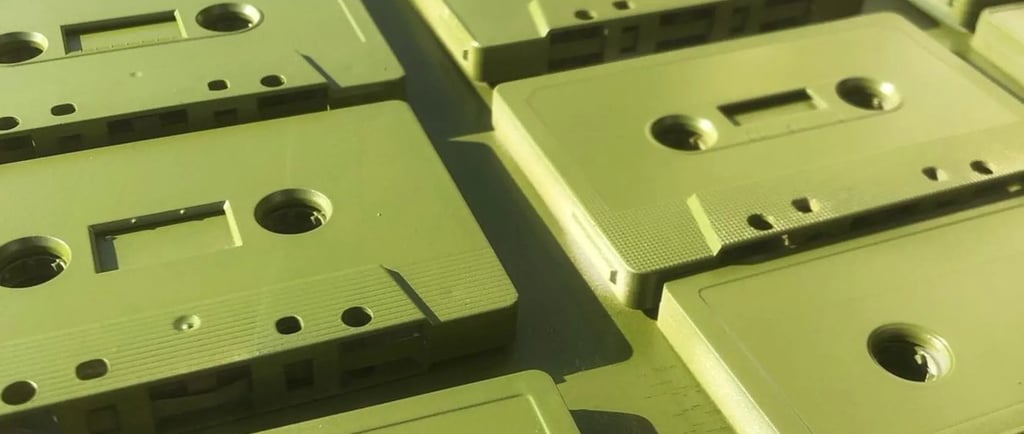
At the heart of upcycling art lies the idea that any object, however ordinary, can become a work of art. This process often begins with the collection of materials: old cans, plastics, audio cassettes, pieces of wood or metal. Once transformed, these materials reveal an unexpected artistic potential.
The power of transformation: Through techniques such as sculpture, assemblage, or collage, artists transform consumer goods into multifaceted works of art, often symbolizing messages about overconsumption and pollution.
Natural materials and recycled objects: Some artists combine natural materials and recycled objects to create works that evoke the relationship between nature and industry, renewing our perspective on these materials.
Recycling as an Ecological and Activist Act
Artistic recycling goes far beyond aesthetics: it represents an ecological and often activist approach. By reusing waste, artists contribute to reducing garbage volumes and raising public awareness of environmental issues.
A powerful message: By using materials that symbolize consumer society, artists remind us of the fragility of our planet and the importance of recycling. Their works become visual spokespeople, denouncing waste and encouraging sustainable actions.
Impact on the public: When people see waste transformed into works of art, they are often surprised and moved. This prompts them to reflect on their own environmental impact and their relationship with everyday objects.
Recycled Materials in Contemporary Art
Each recycled material brings a unique texture and meaning to the artwork. Artists explore diverse materials to create unique visual effects and convey powerful messages.
Plastic: Used for its colors and flexibility, recycled plastic is often transformed into sculptures or installations. Many artists use it to raise awareness about plastic pollution in the oceans.
Metal: Old tools, tin cans, or pieces of iron are welded together to create robust works, symbols of strength and permanence.
Cassettes and vinyl records: Some artists, like Mister Melody, use outdated musical formats such as audio cassettes to convey their message. This choice of materials represents nostalgia, a reflection on the past, but also a focus on reuse.
Techniques and Inspirations in the Art of Recycling
The techniques used to create these works are varied and often depend on the materials chosen. Creativity is the only limit, and artists constantly strive to breathe new life into objects.
Assemblage and collage: These are the most common techniques used in the art of recycling. By combining fragments of materials, artists create new and surprising forms.
Sculpting and welding: For works made of metal or wood, sculpting and welding allow for the construction of imposing three-dimensional pieces, sometimes intended for outdoor exhibitions.
Painting and visual transformation: Recycled objects can be painted, textured, or distorted to create visual illusions. Some artists use paint to conceal the object's origin and surprise the viewer.
Examples of Artists Who Use Recycling
Many artists have embraced this movement, and their works offer a fresh perspective on art and ecology.
Vik Muniz: This Brazilian artist uses waste and salvaged materials to recreate classic works from art history, raising questions about the value and preciousness of materials.
Jane Perkins: She uses buttons, broken jewelry, and various small objects to create portraits and reproductions of famous works. Her creations demonstrate that waste can be transformed into detailed pieces of art.
Mister Melody: By reusing audio cassettes, he pays homage to the history of music while giving new life to once-loved objects. His works symbolize the intersection of nostalgia and innovation.
Why does the Art of Recycling resonate with us?
The art of recycling often evokes a strong emotional and intellectual response. By seeing used materials transformed into works of art, the viewer is invited to rethink the notion of waste and to see beauty in what is usually overlooked.
A message of hope: By demonstrating that discarded objects can still be useful and aesthetically pleasing, the art of recycling conveys a message of hope and transformation.
An invitation to sustainable creativity: This art encourages everyone to reflect on their own consumption habits and to consider new ways of reusing and recycling.
Conclusion
Recycling and art form a duo that continues to gain importance in our contemporary society. By transforming discarded objects into meaningful works, artists demonstrate that every material, every object, can find a place and an unexpected beauty. The art of recycling invites us not only to admire the artwork, but also to question our lifestyles, our consumption, and our role in preserving the planet.
Home
Gallery
The artist
Workshop journal